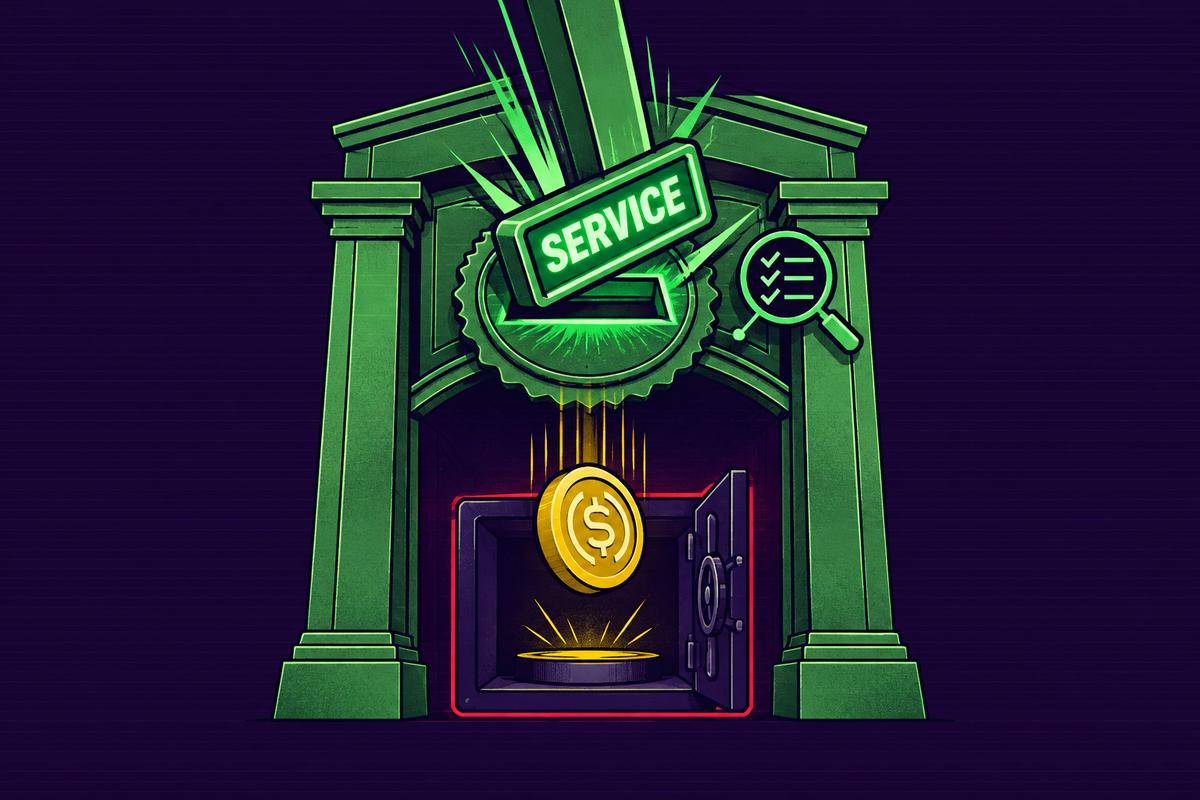
Banks, fintechs and corporations can issue stablecoins without building their own infrastructure through BitGo’s Stablecoin-as-a-Service, launched on October 20, 2026. The offering brings issuance, custody and reserve management together, but institutions must still conduct their own legal and compliance reviews.
BitGo’s Stablecoin-as-a-Service packages issuance tools
The service provides a regulated path to stablecoin issuance, with custody, reserve management and compliance tools available from the outset. Its capabilities also include minting and burning stablecoins.
In its company post, BitGo framed the institutional choice as building infrastructure internally or using an existing framework. Its offering gives banks, fintechs and corporations the latter option.
That approach may lower barriers to entering the stablecoin market by allowing institutions to use an established service rather than develop their own issuance infrastructure.
US regulatory alignment leaves reviews with institutions
BitGo’s Stablecoin-as-a-Service aligns with US licensing frameworks, including the GENIUS Act. The offering combines that regulatory alignment with tools for compliant stablecoin issuance.
Institutions nevertheless remain responsible for their own legal and compliance reviews. Using BitGo’s infrastructure does not remove that requirement, even though compliance tools form part of the service.
Stablecoin interest grows alongside a focus on regulation
Interest in stablecoins is increasing as institutions seek regulated routes to digital asset issuance. Clearer regulatory requirements and institutional adoption remain key factors affecting activity in the sector.
The launch addresses that demand with an infrastructure option for institutional issuers. Regulatory developments and adoption levels remain points of focus for the stablecoin market.
BitGo brings its custody business to the offering
BitGo is a digital asset custody provider serving institutional clients. Stablecoin issuance sits alongside its broader services for those customers.
The provider operates under US jurisdiction, and its stablecoin infrastructure aligns with US licensing frameworks.
Article produced with the assistance of artificial intelligence and reviewed by the editorial team.